
Ask ten streamers whether they can legally save a recording of their own broadcast, and most will tell you the same thing: it’s their channel, their content, they can do whatever they want with it. That confidence is where the trouble starts. The recording button doesn’t grant permissions it never had, and the moment another person’s voice, face, or contribution enters the frame, the neat idea of sole ownership quietly collapses.
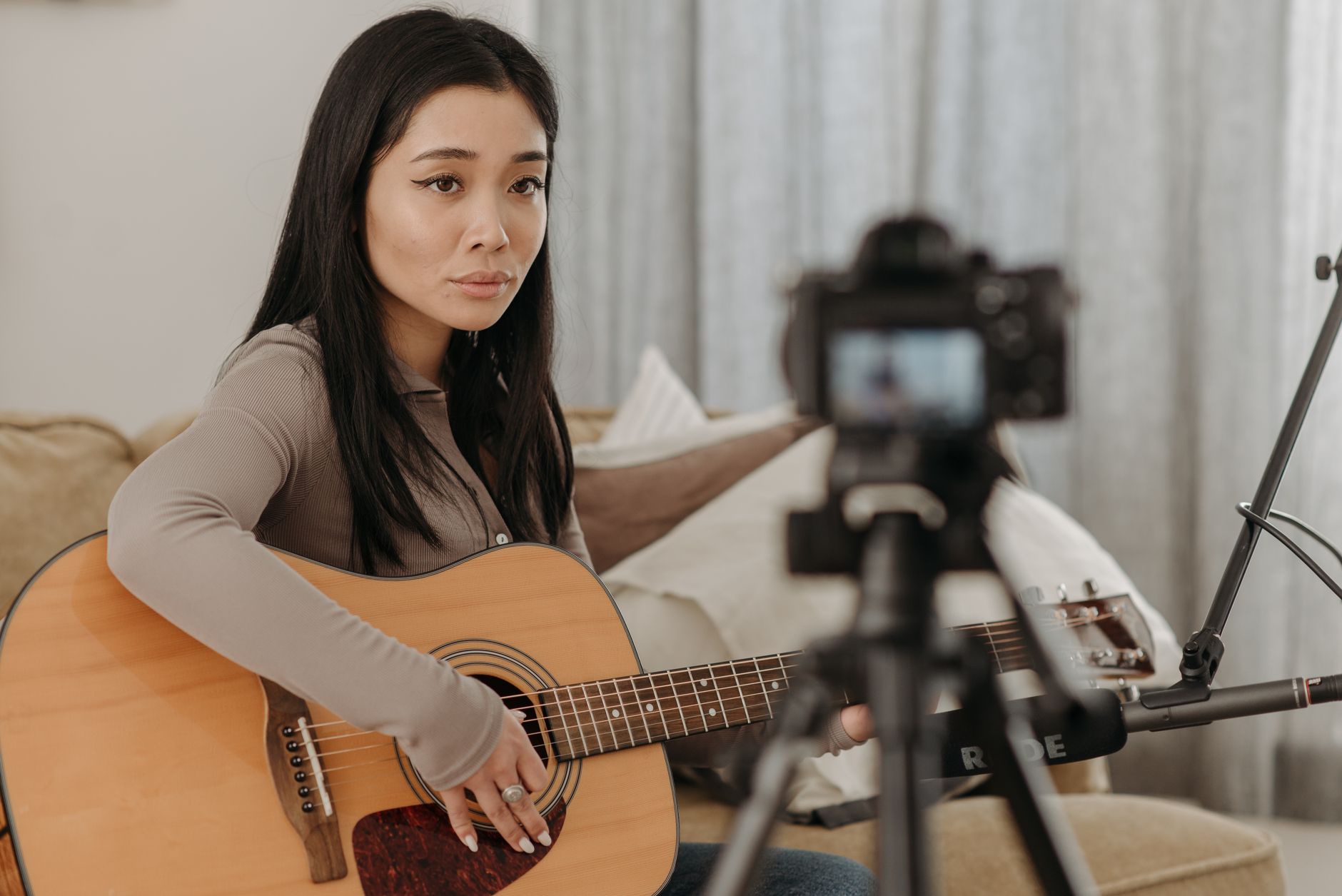
The legal reality around recording live streams is not as murky as people assume, but it is far messier than the folklore suggests. Consent, ownership, and reuse are three separate questions, and treating them as one is the single most common mistake I see. What follows separates them.
Why most streamers get the law backwards
The usual assumption runs like this: anything I publish is mine, so anything I record from my own stream is also mine to keep and reuse. The law tends to work in the opposite direction. Rights don’t flow automatically from the person hosting the broadcast; they attach to whoever created each element within it. A guest’s spoken remarks, a musician’s performance, a viewer’s shared screen — each carries its own set of rights that a host does not absorb simply by pressing record.
Who actually owns a recorded broadcast
Ownership of a recording is rarely singular. The person who operated the camera or capture software may hold rights in the recording as a fixation, but that is distinct from the rights in the underlying material being recorded. A co-host retains an interest in their own contribution. Background music almost always belongs to someone else entirely. When you download and re-edit a stream, you are handling a stack of overlapping claims, not a single tidy asset. This is why creators who assume full ownership get surprised by takedowns and disputes long after the fact.
The myth of the public performance loophole
A persistent belief holds that anything said or done “in public” is fair game to record and republish. Broadcasting to an open audience does not strip away the participants’ rights, and it does not create a blanket license for reuse. Publicity is not consent. A stream being visible to thousands says nothing about whether a specific person agreed to have their words extracted, clipped, and posted somewhere else under a different context.
Consent when your audience becomes part of the footage
The complications multiply when viewers stop being passive. Chat messages, voice calls, submitted video, and on-screen reactions can all pull audience members into the recording as identifiable participants. Depending on where those people are located, capturing their voice may trigger recording-consent rules that were written long before streaming existed. Announcing that a session is being recorded is a reasonable baseline, but genuine consent means people had a real chance to opt out before their contribution was fixed in the file.
Cross-border recording and the jurisdiction trap
Streams don’t respect borders, and that is precisely the problem. A host in a one-party-consent region may be recording a guest who sits in a two-party-consent one. Data protection frameworks in some regions treat a recorded voice or face as personal data with obligations attached. The safe assumption is that the strictest applicable rule governs the interaction, because you rarely know in advance where every participant is sitting.
What platform terms of service quietly permit
Buried in the agreements creators accept without reading, platforms often grant themselves broad licenses to host, distribute, and reproduce uploaded content. What those terms usually do not do is settle the rights between you and the other people in your stream. A platform license protects the platform. It does not indemnify you against a guest who never agreed to be re-uploaded, nor does it hand you ownership you didn’t otherwise have.
Where documenting virtual gatherings step by step protects you
Good documentation is the quiet defense that most creators skip. Keeping a clear record of who consented, when, and to what turns a vague claim of permission into something you can actually point to. Practical resources on documenting virtual gatherings step by step can help you build that trail before a dispute forces you to reconstruct it from memory. A timestamped note that participants were informed and agreed is worth more than a confident assertion after the fact.
Building recording habits that survive legal scrutiny
The creators who avoid trouble are not the ones with the best lawyers; they are the ones with the dullest habits. Announce recording at the start and treat the announcement as an offer people can decline. Get explicit agreement from anyone whose contribution you plan to reuse. Assume the strictest jurisdiction applies. Keep music and third-party material out of anything you intend to republish. None of this is glamorous, and none of it slows a broadcast down much. It simply means that when the consent question finally gets asked, you already have an answer.