
I’ve spent more than a decade working with multi-unit properties across the South Shore of Massachusetts, both as an investor and Multi Unit Sales in Quincy, MA estate professional helping clients buy and sell small apartment buildings. Quincy, MA has always been one of the more interesting markets in the region for multi-unit sales. The demand is steady, the housing stock is older but full of opportunity, and the numbers can make sense for both first-time investors and seasoned property owners.
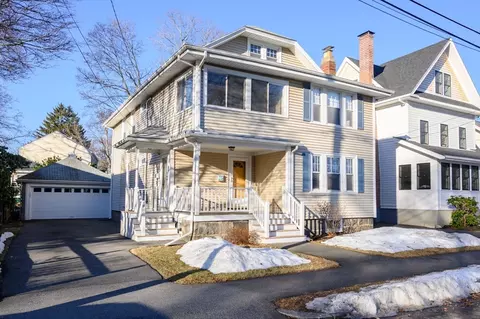
What I’ve learned from years of walking through triple-deckers, negotiating deals, and helping owners exit long-held properties is that multi-unit sales in Quincy rarely follow a simple script. Every building has its own history, its own tenants, and usually a few surprises behind the walls.
One situation that sticks with me happened with a seller who had owned a two-family property near Quincy Center for nearly twenty years. He originally bought it as an owner-occupied investment, living on the first floor while renting out the second. By the time he contacted me, he had moved out of the area and was managing the building from a distance. Maintenance had become sporadic, and he was convinced the property wouldn’t attract serious buyers because it needed work.
After touring the building with him, I explained that multi-unit buyers in Quincy often expect properties with some deferred maintenance. Investors frequently prefer buildings where they can increase rents after renovations. Instead of over-improving the property, we focused on a few practical fixes: cleaning up the common areas, addressing a small roof issue, and organizing documentation for rental history and expenses.
Within a few weeks of listing the property, we had multiple offers. One investor specifically told me he appreciated that the building had “good bones” and room for improvement. The seller walked away with far more than he had initially expected, simply because we positioned the property realistically rather than trying to turn it into something it wasn’t.
Multi-unit buildings in Quincy often fall into that category. Many are older two-family homes or classic New England triple-deckers built decades ago. They aren’t always pristine, but they offer strong rental potential and a chance for owners to build equity over time.
Another experience that shaped how I advise sellers involved a three-unit property owned by a retired couple. They had rented the units to the same tenants for years and kept rents far below market rate. While that kind of loyalty is admirable, it creates complications when selling.
During the first open house, several investors quietly told me the same thing: the numbers didn’t work. Even though the building itself was attractive, the current income didn’t reflect Quincy’s rental market.
I sat down with the owners and explained the reality. Buyers weren’t judging the property based on sentiment or long-term tenant relationships. They were looking at income potential. We ultimately adjusted the marketing strategy and targeted owner-occupant buyers who might live in one unit and gradually update rents over time. That shift in approach made all the difference, and the property eventually sold to a young couple planning to house-hack the building.
Situations like that come up often. Sellers sometimes assume investors will automatically pay top dollar, but investors are disciplined about numbers. On the flip side, owner-occupants can sometimes justify paying more because they see both a home and an investment.
From my experience, one of the biggest mistakes multi-unit sellers make is overestimating the value of cosmetic upgrades while ignoring financial documentation. Buyers of these properties care deeply about rental history, operating costs, and maintenance records. I’ve watched deals stall simply because the seller couldn’t provide clear information about utility expenses or lease agreements.
One landlord I worked with last spring had kept excellent records for years—leases, repair invoices, rent increases, everything neatly organized. During negotiations, that documentation helped reassure a cautious buyer who was relocating from Boston and buying his first multi-unit building. The deal moved forward smoothly because the buyer trusted the numbers.
Quincy continues to attract multi-unit buyers for a simple reason: it sits in a rare sweet spot. It’s close enough to Boston to appeal to commuters, yet still offers housing stock that investors can purchase without competing in the city’s extreme price range.
But success in multi-unit sales here rarely depends on luck. It depends on understanding the property, presenting the financial story clearly, and knowing the type of buyer most likely to see its potential. After years in this market, I’ve learned that those details often matter far more than the building itself.